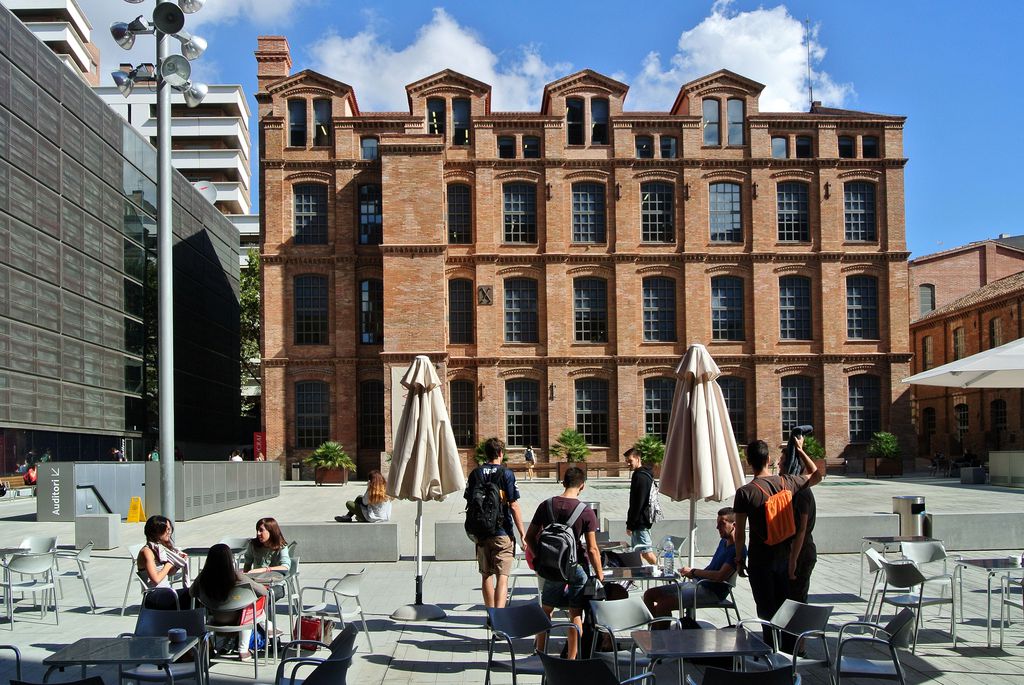

A programme that is free and open access, inclusive, and with themes that radiate the present, but above all are projected towards the future, seem to be the keys to success. But there is also an effort to design some of the sessions so that they directly appeal to young people.
ITINERARY. The youngest Biennial
It can easily be argued that all the debates that are addressed in the Biennial of Thought have a special impact on the younger generation. After all, we are talking about the citizens who will have to live in the world we are heading towards. This group of the public, moreover, is aware of this and responds by making up one of the most common types of attendees. A free and open access programme, inclusive, and with themes that radiate the present but, above all, look to the future, seem to be the keys to success.

The Biennial calls on a series of voices to ask questions, break silences, articulate discourses that will lead us towards a future that is completely decolonised, beyond the geographical, political and economic fact, and also paying attention to cultural, psychological and emotional phenomena.
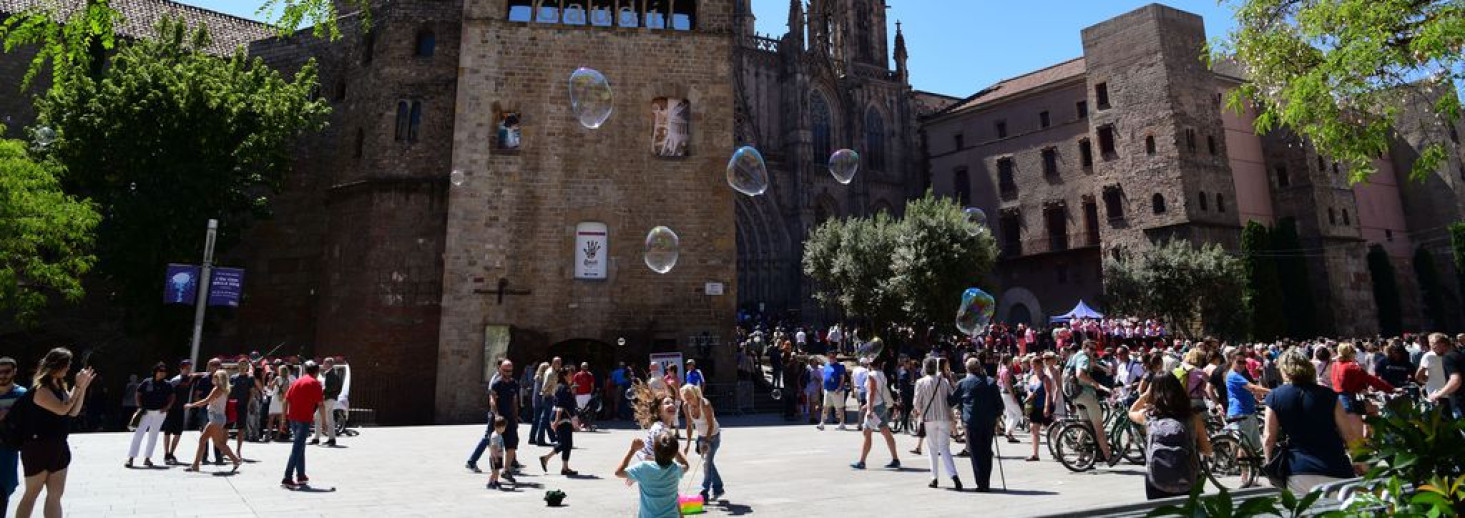
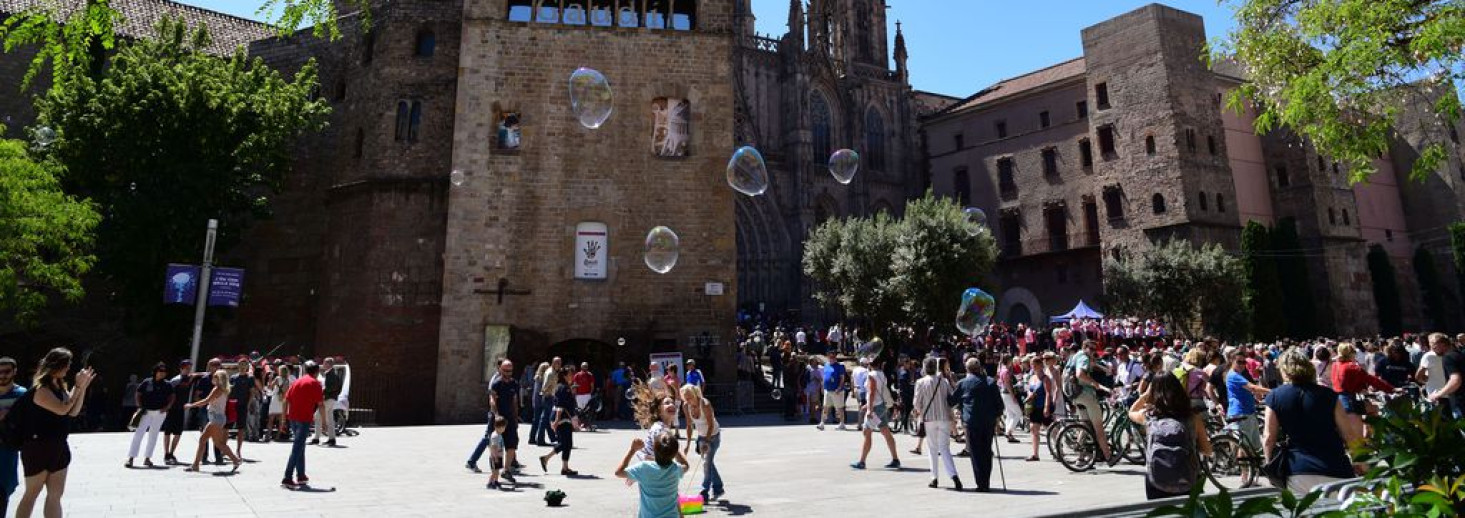
The city has a network of institutions and initiatives that regularly keep the flame of critical thought and civic debate burning. The +Biennial is built with the latter entities, a parallel programme that should not be overlooked.

It was unthinkable that the Russian invasion of Ukraine and the multiple readings they arouse would be omitted from this year's Biennale, so a handful of sessions approach it. From various angles, with multiple authoritative voices, all of them of international relevance.